




Custom Orthotics: Why They Matter for All Ages (2026)

July 23, 2026

Custom orthotics are prescription medical devices designed to support and comfort your feet. Unlike over-the-counter inserts, they are uniquely crafted to match your foot's specific anatomy, correcting biomechanical imbalances, relieving chronic pain, and improving overall mobility for patients of every age, from children to seniors.

What are Custom Orthotics and How Do They Work?

To understand the value of custom orthotics, it is essential to first understand that they are not just "insoles." While you can find generic cushions at any pharmacy, those are designed for a general foot shape that doesn't actually exist. Every person’s foot has a unique structure, arch height, and gait pattern. A podiatrist prescribes custom orthotics to serve as a functional tool that changes the way your foot interacts with the ground.

These devices work by providing "biomechanical correction." If your foot rolls inward too much (overpronation) or stays too rigid (supination), it creates a chain reaction of misalignment that travels up to your ankles, knees, hips, and lower back. Custom orthotics are engineered to stop this misalignment at the source. By redistributing pressure across the plantar surface of the foot, they eliminate hot spots that lead to pain and calluses.

There are generally two types of custom orthotics:

  • Functional Orthotics: Usually made of semi-rigid materials like plastic or carbon fiber, these are designed to control motion and treat pain caused by abnormal biomechanics.
  • Accommodative Orthotics: Softer and more cushioned, these provide support and pressure relief for conditions like diabetic ulcers or painful calluses.

By wearing these devices daily, patients often find that they can stay on their feet longer without the fatigue or sharp pains that previously limited their lifestyle. This is why Orthotics & Braces are considered one of the most effective non-invasive treatments in modern podiatric medicine.

Why Do Children Need Custom Orthotics?

It is a common misconception that children will simply "outgrow" foot issues. While it is true that many toddlers have flat feet that resolve as their arches develop, some structural issues require early intervention to prevent long-term complications. Custom orthotics for children are often used to provide a stable foundation during critical growth phases.

Pediatric foot care often focuses on issues like Flat Feet or Intoeing . When a child’s foot lacks a functional arch, it can lead to premature fatigue during physical activity. You might notice your child asking to be carried more often or complaining that their legs ache after playing. These aren't always "growing pains"; they are often signs of mechanical stress. Orthotics help align the growing bones and joints, ensuring that the child develops a healthy gait pattern.

Young athlete using orthotics

For active kids involved in sports, custom inserts can be a game-changer. Youth sports place significant demand on the musculoskeletal system. Proper alignment can reduce the risk of common pediatric sports injuries, such as Sever’s disease (heel pain) or Osgood-Schlatter disease (knee pain). By stabilizing the foot within the athletic shoe, orthotics allow young athletes to perform at their best while protecting their developing bodies from the impact of running and jumping. This early support often leads to better posture and joint health as they move into their teenage years and adulthood.

Benefits of Custom Orthotics for Active Adults

For adults, the primary goal of custom orthotics shifts toward managing the wear and tear of daily life. Whether you are a professional athlete, a retail worker standing on concrete for eight hours, or someone who enjoys weekend hikes, your feet bear the brunt of your entire body weight. Over time, this constant pressure can lead to chronic inflammatory conditions.

One of the most frequent reasons adults seek Services for orthotics is to treat Plantar Fasciitis . This condition involves inflammation of the thick band of tissue that runs across the bottom of your foot. Custom orthotics are specifically designed to support the arch and take the tension off the plantar fascia, allowing it to heal while preventing future flare-ups. Similarly, individuals suffering from Shin Splints often find relief because orthotics reduce the rotational stress on the lower leg bones.

In the workplace, Work Injuries are often exacerbated by poor footwear or inadequate support. Adults who wear custom orthotics report several key benefits:

  • Reduced lower back and hip pain
  • Improved stamina during long shifts
  • Prevention of painful Corns & Calluses
  • Better shock absorption on hard surfaces
  • Stabilization of the ankle to prevent Ankle Sprains

Because these devices are tailored to your specific activity level, a podiatrist can design them to fit into various types of footwear, from rugged work boots to sleek dress shoes. This versatility ensures that your feet are protected regardless of the setting, maintaining your productivity and quality of life.

Can Orthotics Help Seniors Maintain Mobility?

As we age, the fat pads on the bottom of our feet naturally thin out, and the ligaments may lose their elasticity. For seniors, custom orthotics are less about athletic performance and more about maintaining independence and safety. Mobility is a cornerstone of senior health, and foot pain is one of the leading reasons why older adults become sedentary.

Geriatric Foot Care frequently utilizes orthotics to manage the symptoms of Arthritis . When joints in the foot become stiff or inflamed, every step can be agonizing. Accommodative orthotics provide the necessary cushioning to protect sensitive joints and redistribute weight away from painful areas. This allows seniors to stay active, which is vital for cardiovascular health and mental well-being.

Senior couple walking comfortably

Perhaps the most critical role of orthotics for the elderly is Fall Prevention . A stable foot translates to better balance. Many falls are caused by instability or tripping due to foot deformities or poor gait mechanics. By providing a solid, corrective base, custom orthotics help seniors feel more grounded and confident in their movement. For those managing Diabetic Foot Care , specialized orthotics are essential to prevent pressure sores and ulcers that could otherwise lead to serious infections.

Common Foot Conditions Treated with Custom Orthotics

Beyond general pain relief, custom orthotics are a targeted treatment for several specific clinical conditions. Because the foot is a complex structure of 26 bones and dozens of muscles, even a minor deviation can cause significant issues over time. Podiatrists use these devices to manage and often halt the progression of various deformities.

Bunions and Hammertoes are common conditions that benefit significantly from orthotic intervention. While an orthotic cannot "cure" a bunion, it can slow its growth by correcting the biomechanical forces that push the big toe out of alignment. By stabilizing the midfoot, the orthotic reduces the pressure on the forefoot joints, making walking much more comfortable.

Other conditions effectively managed include:

By addressing these issues with custom-fitted devices, many patients are able to avoid or delay the need for Foot & Ankle Surgery . Orthotics provide a conservative first line of defense that is both effective and non-invasive, making them a preferred choice for many podiatric patients.

The Process of Getting Your Custom Inserts

Getting custom orthotics is a medical process that requires professional expertise. It begins with a comprehensive biomechanical evaluation by your podiatrist. During this exam, the doctor will assess your joint range of motion, muscle strength, and gait. They aren't just looking at your feet; they are looking at how your whole body moves.

Podiatrist office technology

Once the need for orthotics is established, a 3D model of your foot is created. In the past, this was done using messy plaster casts, but today, we often use advanced digital scanning technology. This scan captures the exact contours of your foot in its most functional position. The podiatrist then writes a detailed prescription, specifying the materials, reinforcements, and additions (like cushions or pads) needed for your specific condition.

After the orthotics are manufactured in a specialized lab, you will return for a fitting. Your podiatrist will ensure the inserts fit correctly in your shoes and provide the intended support. There is usually a short break-in period as your muscles and tendons adjust to the new, corrected alignment. This professional oversight is what separates custom orthotics from store-bought options; you have a medical expert ensuring the device is actually doing its job to protect your health.

Conclusion: Your Path to Pain-Free Movement

Custom orthotics are a versatile and powerful tool for maintaining foot health across every stage of life. From helping children develop a proper gait to assisting seniors in maintaining their balance and independence, these personalized devices address the unique biomechanical needs of every individual. By choosing custom-made support over generic alternatives, you are investing in the long-term health of your entire musculoskeletal system, reducing pain, and preventing future injuries.

Key Takeaways for Your Foot Health:

  • Custom orthotics correct biomechanical issues that over-the-counter inserts cannot address.
  • Early intervention for children can prevent structural foot problems in adulthood.
  • Active adults can manage chronic conditions like plantar fasciitis and improve work stamina.
  • Seniors benefit from increased stability, better balance, and effective fall prevention.
  • A professional evaluation by a podiatrist is the only way to ensure your orthotics are truly effective.
Stylish summer sandals on a sunny wooden deck.
June 18, 2026
Keep your feet healthy this summer! Learn expert tips on summer foot safety, flip-flop risks, beach protection, and how to avoid seasonal podiatric injuries.

By VIV Builder April 9, 2026
Stay active and pain-free this Foot Health Awareness Month. Learn about heel pain, orthotics, diabetic foot care, and sports injury treatment options.

By VIV Builder April 1, 2026
Achilles tendonitis can develop gradually, causing heel pain and stiffness that worsens over time. Learn the warning signs and how a podiatrist can help you get back on your feet.
By VIV Builder March 5, 2026
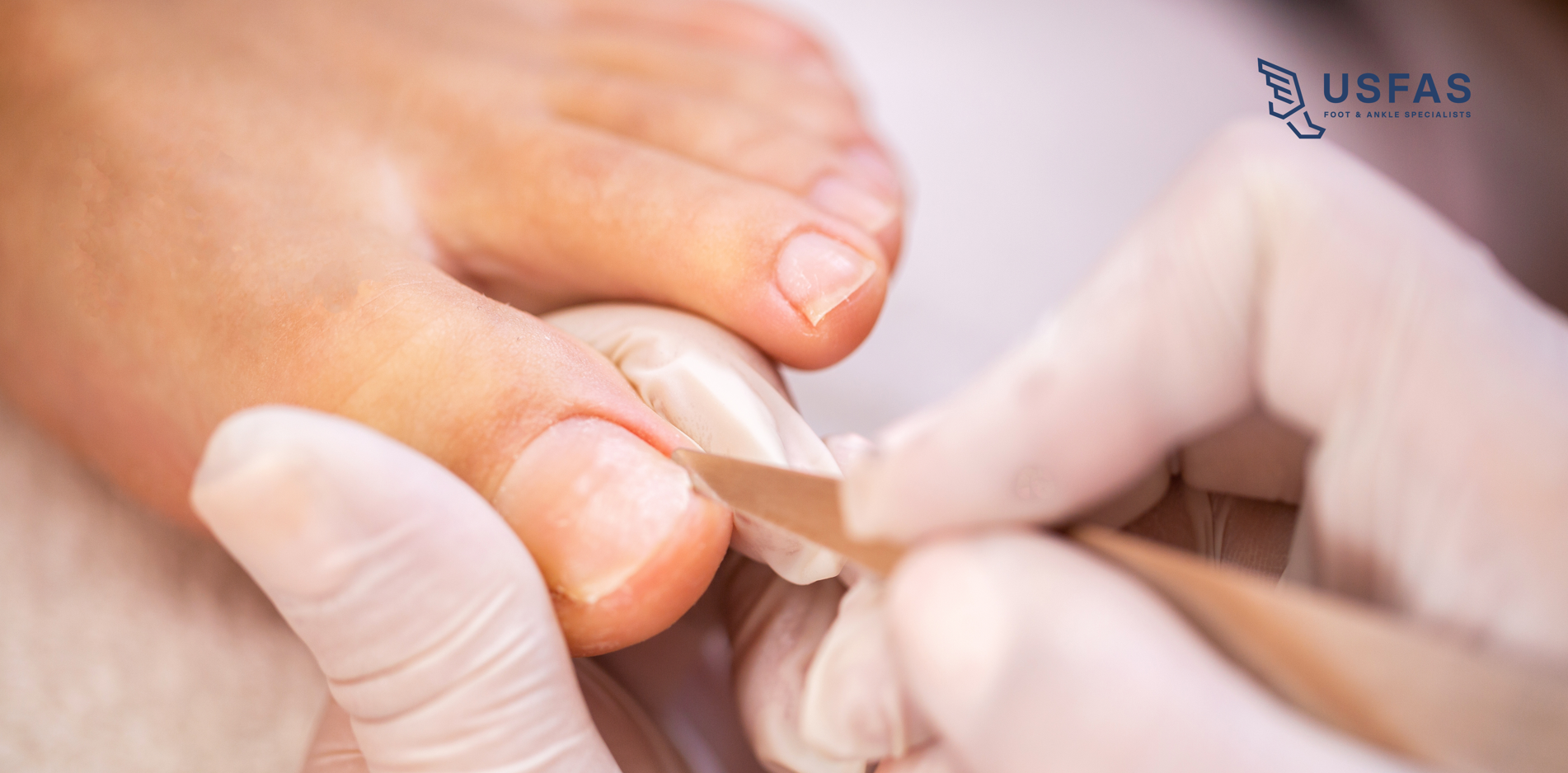
Ingrown toenails are a common foot condition that can start as a minor irritation and quickly become painful. Learn more about how we can help with ingrown toenails.
By VIV Builder February 19, 2026
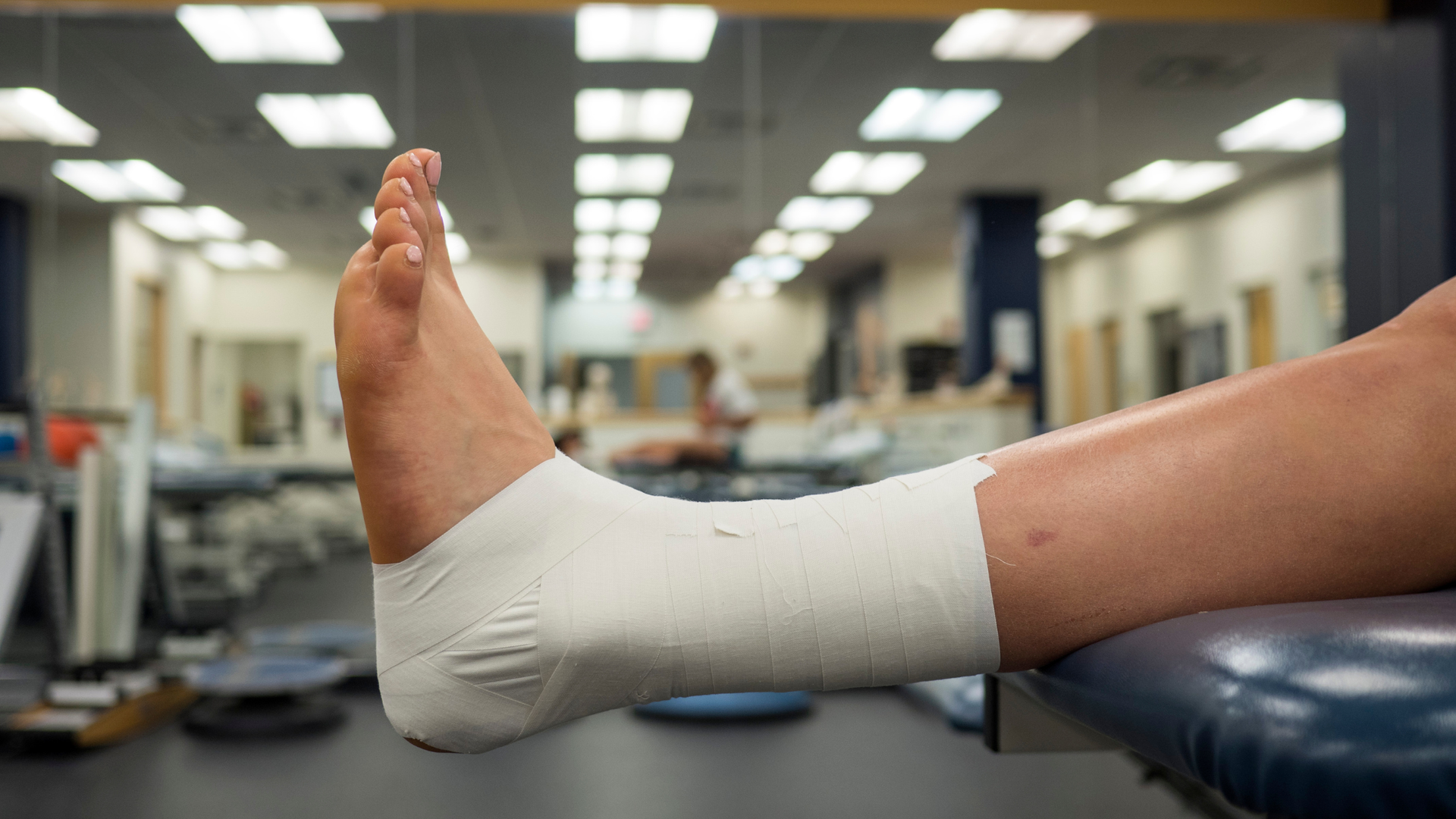
Ankle sprains are one of the most common foot and ankle injuries, yet they're often brushed off as no big deal. The truth is, even a mild sprain deserves proper care.
By VIV Builder February 5, 2026
Show Your Feet Some Love This February
By VIV Builder January 23, 2026
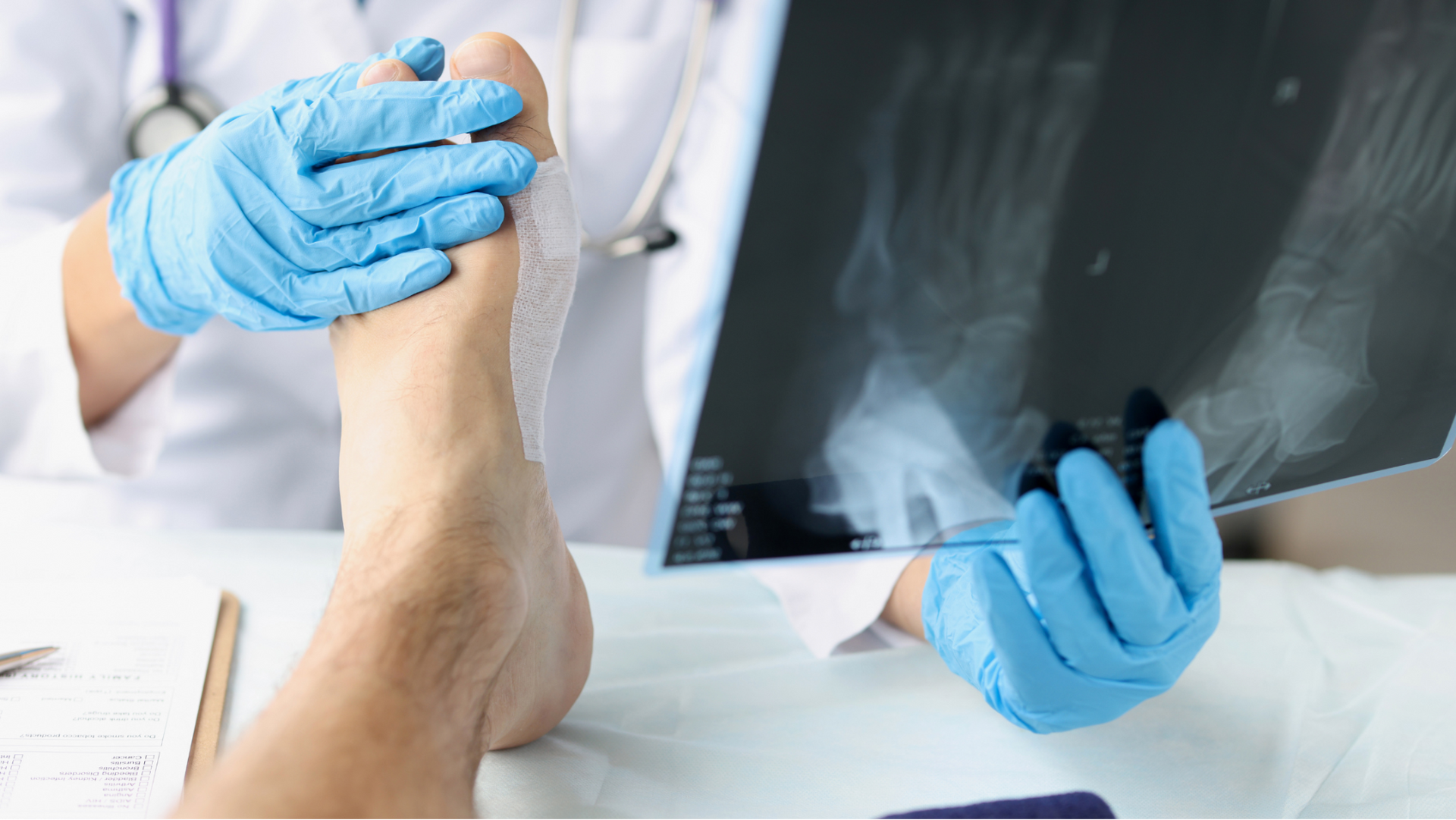
Understanding Podiatry Many people experience foot or ankle pain at some point, but they are not always sure where to turn for care. A podiatrist is a medical doctor who specializes in diagnosing and treating conditions of the foot and ankle. Their goal is to help patients move comfortably, stay active, and avoid pain that interferes with daily life. Podiatrists receive specialized medical training focused entirely on the feet and ankles. Because these areas support the entire body, even minor issues can have a big impact if left untreated. What Conditions Do Podiatrists Treat? Podiatrists treat a wide range of foot and ankle conditions for patients of all ages. From common concerns like heel pain and ingrown toenails to more complex issues such as sports injuries and diabetic foot conditions, podiatrists are trained to handle both routine and advanced care. They also address structural problems, skin and nail conditions, and injuries that affect mobility. By identifying the root cause of foot or ankle pain, podiatrists help patients find long-term relief rather than temporary fixes. When Should You See a Podiatrist? Foot pain is not something you have to live with. If you notice ongoing discomfort, changes in how you walk, or issues with your toenails or skin, it may be time to see a podiatrist. Early care can help prevent small problems from becoming more serious and can reduce recovery time. Patients with diabetes should also see a podiatrist regularly to help prevent complications and maintain foot health. What to Expect During Your Visit During a podiatry appointment, your provider will take time to understand your symptoms and lifestyle. They will examine your feet and ankles and may recommend imaging or other tests if needed. Based on their findings, they will create a personalized treatment plan tailored to your needs. Many podiatry treatments can be done in the office, allowing patients to return to normal activities quickly. Why Foot Health Matters Your feet play a major role in your overall health. Ongoing foot or ankle pain can lead to posture changes and strain on the knees, hips, and lower back. Proper foot care helps keep your entire body moving the way it should. Seeing a podiatrist is an important step in maintaining mobility and preventing future problems. Take the Next Step Toward Better Foot Health If foot or ankle pain is affecting your daily life, a podiatrist can help. With the right care and treatment, many conditions can be managed or resolved. Scheduling an appointment with a podiatrist is a simple step that can make a lasting difference in your comfort and mobility.
By VIV Builder January 9, 2026
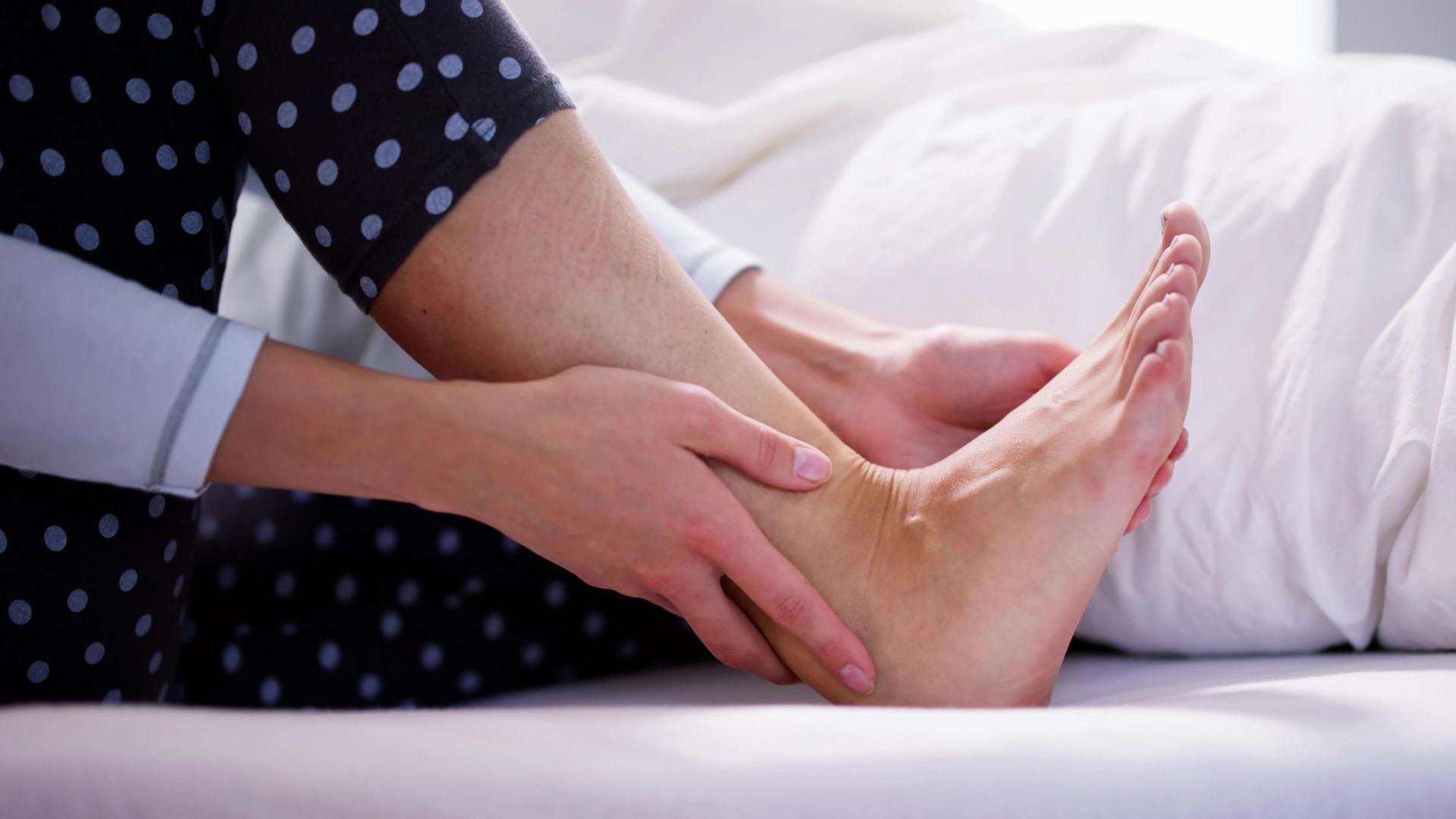
A New Year Shouldn’t Start With Pain The beginning of a new year often comes with fresh goals—being more active, feeling healthier, and getting back to routines you enjoy. But heel pain can quickly get in the way. When every step hurts, even small tasks can feel frustrating. Heel pain is one of the most common foot issues treated by podiatrists. Many people try to ignore it or hope it will go away on its own, but without proper care, heel pain often lingers or gets worse over time. Why Heel Pain Happens Heel pain can develop for several reasons, and it often builds gradually. One of the most common causes is plantar fasciitis, which occurs when the tissue supporting the arch of the foot becomes inflamed. Other causes may include strain on the Achilles tendon, wearing shoes without proper support, or spending long hours on your feet. Pain is often most noticeable in the morning or after long periods of rest. While it may ease as you move around, it tends to return and can worsen without treatment. Common Conditions Linked to Heel Pain While heel pain feels similar for many people, the underlying cause can vary. Some of the most common conditions include: Plantar fasciitis Heel spurs Achilles tendon irritation Overuse or repetitive strain injuries Identifying the exact cause is key to getting the right treatment and long-term relief. Why Early Treatment Matters Ignoring heel pain can lead to changes in the way you walk. Over time, this can place added stress on your ankles, knees, hips, and lower back. What starts as foot pain can turn into discomfort throughout your body. Seeing a podiatrist early can help prevent these issues and reduce recovery time. Most heel pain can be treated without surgery when addressed promptly. How a Podiatrist Can Help A podiatrist specializes in foot and ankle care and can create a treatment plan tailored to your needs. Treatment may include stretching exercises, custom orthotics, footwear guidance, or other therapies designed to reduce pain and inflammation. With the right approach, many patients begin to feel relief and regain mobility. Step Into the New Year With Confidence Heel pain does not have to define your year. With proper care and treatment, you can move more comfortably and get back to doing the things you enjoy. If heel pain is holding you back, schedule a visit with a podiatrist and take the first step toward a healthier, pain-free new year.

December 18, 2025
A new year is the perfect time to focus on your health—starting from the ground up. As we head into 2026, taking care of your feet can help you stay active, comfortable, and ready for everything the year brings.  Why Foot Health Matters in the New Year Healthy feet support your overall mobility and daily comfort. Common foot problems can make walking, standing, and even simple activities difficult. Early care can prevent small issues from becoming bigger ones. You may benefit from a podiatry visit if you have: Heel or arch pain Flat feet or high arches Foot or ankle injuries Toenail problems Corns, calluses, or skin issues Pain that keeps coming back How We Help You Start the Year Strong Our podiatry team provides: Comprehensive Foot Exams to identify pain or concerns Treatment Plans for chronic or sudden foot issues Custom Orthotics for support and alignment Footwear Guidance to reduce discomfort and improve stability Preventive Care to keep your feet healthy long-term Start 2026 With Healthy, Pain-Free Feet Make this the year you put your foot health first. Schedule an appointment today to address any concerns and step into 2026 with confidence, comfort, and support.
December 4, 2025
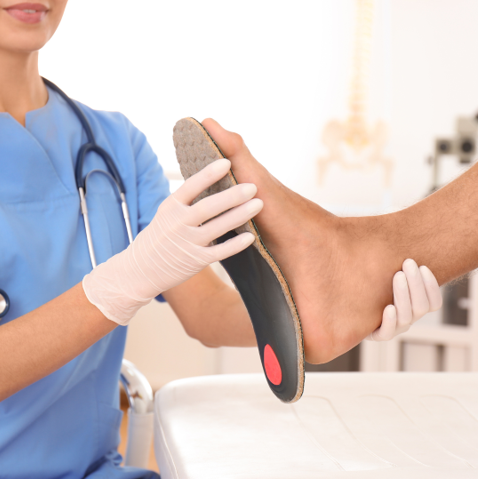
December is the season of giving, and there’s no better gift than comfort. If you’re looking for something meaningful, helpful, and long-lasting, custom orthotics are a great choice. They support the feet, improve balance, and make everyday activities easier and more comfortable. Why Orthotics Make a Great Gift Many people struggle with foot pain, tired feet, or discomfort when walking or standing. Custom orthotics can help by: Reducing foot, heel, and arch pain Providing better alignment and support Improving comfort during work, exercise, and daily routines Helping prevent future foot problems They are a thoughtful gift for anyone—especially those who stay on their feet all day, enjoy being active, or dealing with ongoing foot issues. How Our Team Can Help Our podiatry team offers: Custom Orthotic Fittings tailored to your foot shape and needs Foot Evaluations to identify pain points and pressure areas Supportive Shoe Recommendations for everyday comfort Ongoing Care for long-term foot health Give Comfort This Christmas If you’re searching for a gift that truly helps someone feel better, custom orthotics are a smart and meaningful choice. Contact our office to schedule an appointment or learn more about how orthotics can bring comfort all year long.

Show More