
7 Thanksgiving Foot Care Tips to Stay on Your Feet

November 9, 2026

Thanksgiving foot care tips can help prevent soreness, blisters, swelling, and falls during a busy holiday. Wear supportive shoes, take movement breaks, inspect your feet, stay hydrated, and avoid rushing. These simple steps protect your feet while you travel, cook, host guests, shop, and enjoy time with family.

Thanksgiving foot care tips for comfortable holiday movement

Why does Thanksgiving put extra stress on your feet?

Thanksgiving often involves more standing, walking, driving, and sitting than a normal day. You may spend hours preparing food, moving between rooms, carrying dishes, traveling, or wearing shoes you do not usually choose for comfort.

Common holiday foot problems include:

  • Blisters from unfamiliar or tight shoes
  • Heel or arch pain after prolonged standing
  • Swelling from travel or sitting for long periods
  • Ankle sprains caused by rushing or walking on uneven surfaces
  • Falls caused by clutter, poor lighting, or unstable footwear

If you already manage plantar fasciitis , arthritis, neuropathy, bunions, or another foot condition, planning ahead is especially important.

1. Choose supportive shoes before the holiday begins

Comfortable shoes are one of the most effective Thanksgiving foot care tips. Select footwear that fits properly, provides cushioning, and supports your arch. Avoid wearing brand-new shoes for an entire day. Break them in gradually before traveling or hosting.

Look for:

  • A wide enough toe box so your toes can move freely
  • Secure laces, straps, or fasteners
  • A stable, non-slip sole
  • Adequate cushioning under the heel and forefoot
  • Breathable materials that help reduce moisture

If you are visiting someone’s home, bring comfortable indoor shoes rather than going barefoot. Slippers with a firm sole are generally safer than loose socks on smooth floors.

2. How can you prevent foot pain while cooking?

Cooking can keep you on your feet for hours. Instead of standing in one position, alternate tasks and sit whenever possible. Use a supportive mat in front of the counter, but make sure it does not slide or create a tripping hazard.

Helpful strategies include:

  1. Prepare ingredients while seated at a table or island.
  2. Keep frequently used items within easy reach.
  3. Shift your weight and change position regularly.
  4. Wear supportive shoes instead of thin slippers or socks.
  5. Take a short break every 30 to 60 minutes.

Gentle calf raises, ankle circles, and brief walks can help reduce stiffness. Stop if an exercise causes pain, dizziness, or worsening symptoms.

3. Take movement breaks during travel

Whether you are driving or flying, prolonged sitting can contribute to stiffness and foot or ankle swelling. On road trips, stop regularly to walk safely and stretch. During air travel, move your ankles, flex your feet, and walk the aisle when appropriate and safe.

Do not ignore sudden or severe swelling, warmth, redness, or pain in one leg. These symptoms require prompt medical attention, particularly after extended travel. People with circulation problems should ask their healthcare provider about travel precautions before leaving.

4. Protect your feet from slips and falls

Holiday homes may have crowded walkways, scattered toys, decorative items, pets, and unfamiliar steps. Good fall prevention habits help protect guests of every age, especially older adults.

Before guests arrive:

  • Clear boxes, cords, toys, and bags from walking paths.
  • Turn on hall, stairway, and outdoor lighting.
  • Secure rugs or remove loose ones.
  • Keep stairs free of packages and decorations.
  • Use handrails on steps and avoid carrying loads that block your view.

Slow down when carrying hot dishes or moving between indoor and outdoor surfaces. Wet leaves, icy walkways, and uneven driveways can make a simple step hazardous.

Safe, supportive footwear beside a Thanksgiving entryway

5. Keep feet dry and check for irritation

Moisture and friction can cause blisters, athlete’s foot, and skin irritation. Change damp socks promptly, especially after outdoor activities or travel. Choose moisture-wicking socks and avoid sharing footwear, socks, or towels.

Check your feet at the end of a busy day. Look for redness, broken skin, blisters, cuts, swelling, or areas that feel unusually warm. Do not pop a blister unless a healthcare professional advises you to do so. Protect irritated skin with a clean dressing and reduce pressure on the area.

People with diabetes should inspect their feet daily and seek medical guidance for any wound, blister, color change, or infection. Visit our diabetic foot care page for more information.

6. Manage swelling after a long day

Mild swelling can occur after hours of standing, walking, or sitting. Rest with your feet elevated when possible, drink water, and take gentle movement breaks rather than remaining still for long periods. Comfortable footwear may also reduce pressure.

Avoid self-treating significant swelling with compression products unless a clinician has recommended the right type and fit. Contact a medical professional if swelling is persistent, painful, one-sided, or accompanied by redness, warmth, shortness of breath, or chest pain.

If swelling is a recurring concern, learn more about swelling of the foot and discuss possible causes with a podiatrist.

7. Know when holiday foot pain needs care

A minor ache may improve with rest, but severe or worsening symptoms should not be dismissed as normal holiday fatigue. Arrange an evaluation for pain that limits walking, continues after rest, or repeatedly returns.

Seek urgent care for:

  • A suspected fracture or dislocation
  • An inability to bear weight
  • Severe pain after a fall or twist
  • A deep cut, uncontrolled bleeding, or rapidly spreading redness
  • A cold, pale, blue, or numb foot
  • Sudden one-sided swelling with warmth or pain

For less urgent concerns, our injuries of the foot or ankle and orthotics and braces resources explain common treatment options.

A simple Thanksgiving foot-care checklist

Use this quick checklist before the holiday starts:

  • Choose broken-in, supportive shoes.
  • Pack extra socks and any prescribed foot-care supplies.
  • Clear floors, stairs, and outdoor walkways.
  • Schedule sitting and stretching breaks.
  • Inspect your feet after cooking, travel, or outdoor activities.
Family enjoying Thanksgiving while staying active and comfortable

When should you see a podiatrist?

Consider scheduling an appointment if foot pain, swelling, numbness, or skin changes interfere with daily activities or do not improve with rest. People with diabetes, circulation concerns, or a history of ulcers should be proactive rather than waiting for symptoms to become severe.

Foot & Ankle Associates, LLC provides personalized evaluation and treatment for conditions affecting the foot and ankle. Explore our complete foot and ankle services , or contact us to discuss your concerns.

The takeaway

The best Thanksgiving foot care tips are practical: wear supportive shoes, avoid long periods of standing or sitting, keep floors clear, protect your skin, and inspect your feet after a busy day. These habits are useful for travelers, cooks, hosts, children, older adults, and anyone managing an existing foot condition. If pain is severe, swelling is unusual, or an injury affects your ability to walk, seek professional care. Before the holiday, evaluate your footwear and surroundings, then make a simple plan that keeps comfort and safety part of the celebration.

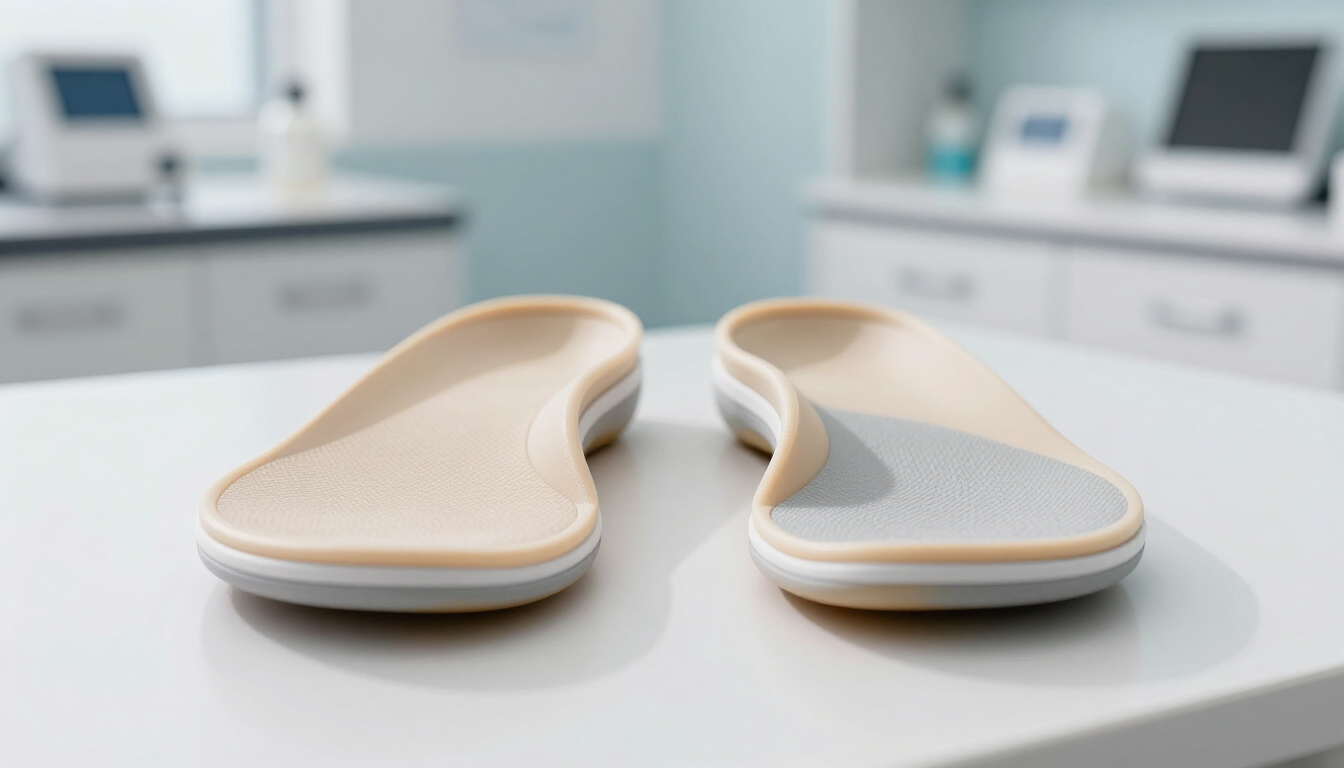
Professional custom orthotic shoe inserts in a medical setting.
July 23, 2026
Discover why custom orthotics are essential for foot health at every stage of life. Learn how personalized inserts treat pain, improve posture, and prevent injury.
Stylish summer sandals on a sunny wooden deck.
June 18, 2026
Keep your feet healthy this summer! Learn expert tips on summer foot safety, flip-flop risks, beach protection, and how to avoid seasonal podiatric injuries.

By VIV Builder • April 9, 2026
Stay active and pain-free this Foot Health Awareness Month. Learn about heel pain, orthotics, diabetic foot care, and sports injury treatment options.
By VIV Builder • April 1, 2026
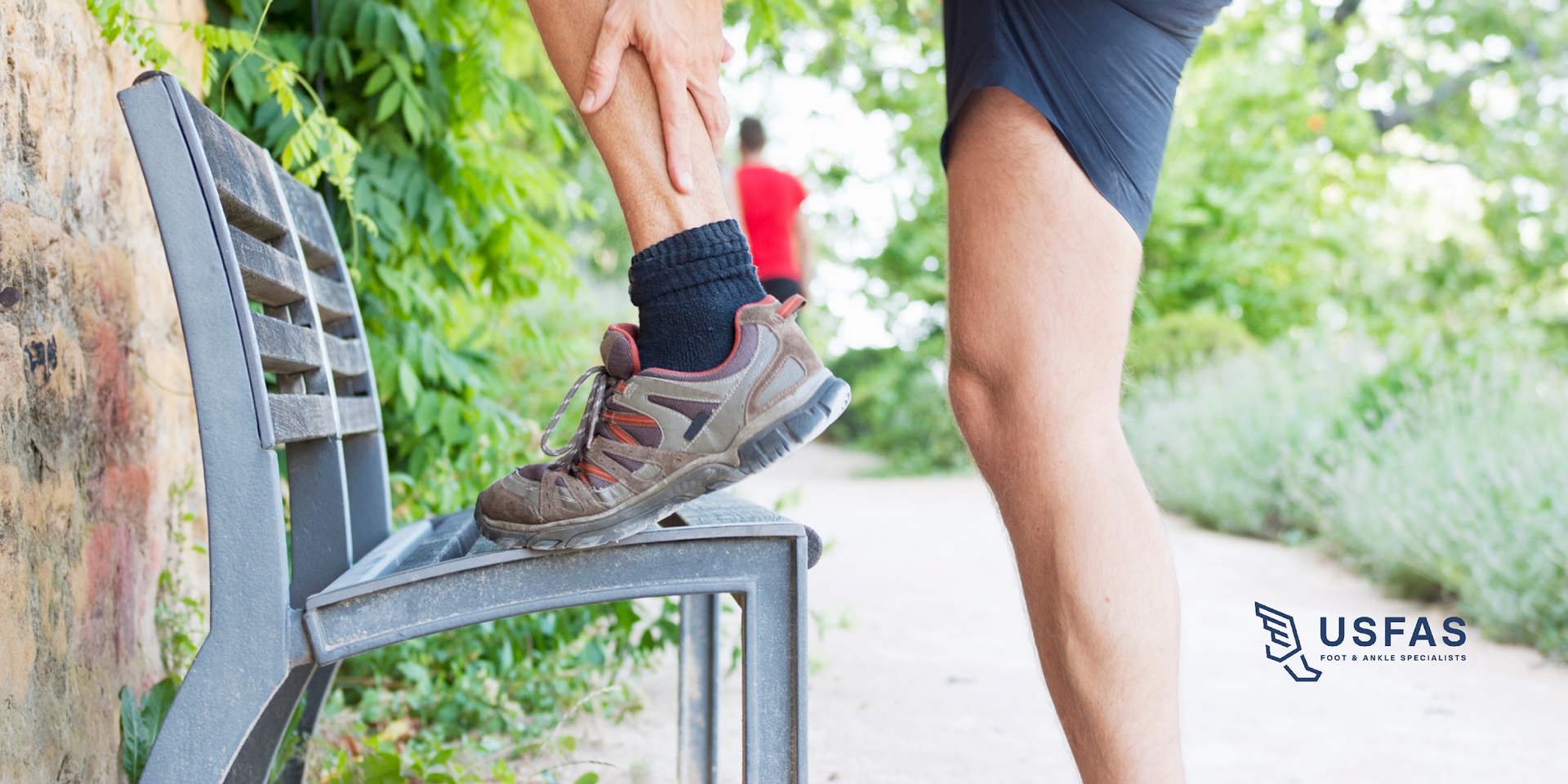
Achilles tendonitis can develop gradually, causing heel pain and stiffness that worsens over time. Learn the warning signs and how a podiatrist can help you get back on your feet.
By VIV Builder • March 5, 2026
Ingrown toenails are a common foot condition that can start as a minor irritation and quickly become painful. Learn more about how we can help with ingrown toenails.
By VIV Builder • February 19, 2026
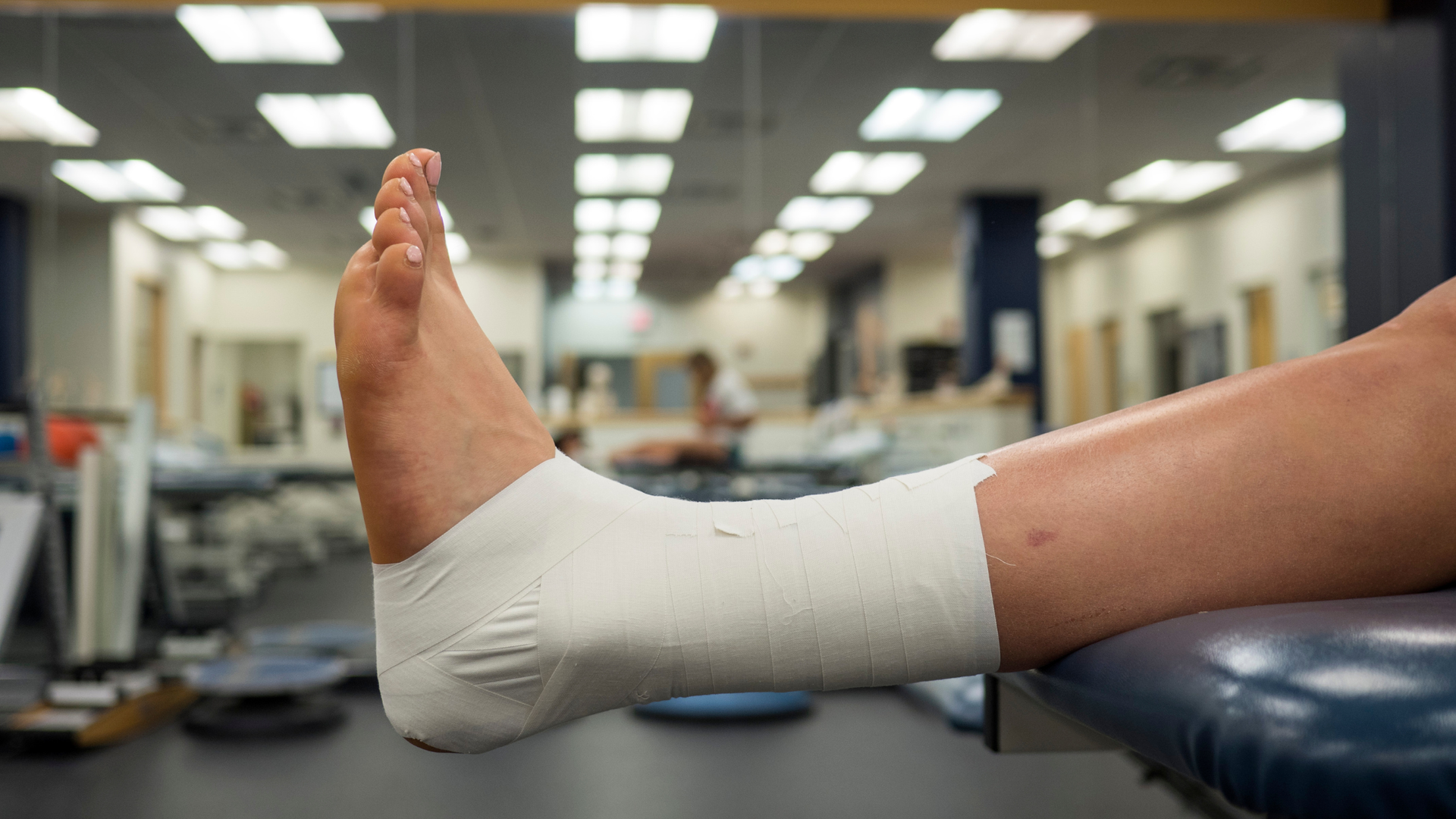
Ankle sprains are one of the most common foot and ankle injuries, yet they're often brushed off as no big deal. The truth is, even a mild sprain deserves proper care.
By VIV Builder • February 5, 2026
Show Your Feet Some Love This February
By VIV Builder • January 23, 2026
Understanding Podiatry Many people experience foot or ankle pain at some point, but they are not always sure where to turn for care. A podiatrist is a medical doctor who specializes in diagnosing and treating conditions of the foot and ankle. Their goal is to help patients move comfortably, stay active, and avoid pain that interferes with daily life. Podiatrists receive specialized medical training focused entirely on the feet and ankles. Because these areas support the entire body, even minor issues can have a big impact if left untreated. What Conditions Do Podiatrists Treat? Podiatrists treat a wide range of foot and ankle conditions for patients of all ages. From common concerns like heel pain and ingrown toenails to more complex issues such as sports injuries and diabetic foot conditions, podiatrists are trained to handle both routine and advanced care. They also address structural problems, skin and nail conditions, and injuries that affect mobility. By identifying the root cause of foot or ankle pain, podiatrists help patients find long-term relief rather than temporary fixes. When Should You See a Podiatrist? Foot pain is not something you have to live with. If you notice ongoing discomfort, changes in how you walk, or issues with your toenails or skin, it may be time to see a podiatrist. Early care can help prevent small problems from becoming more serious and can reduce recovery time. Patients with diabetes should also see a podiatrist regularly to help prevent complications and maintain foot health. What to Expect During Your Visit During a podiatry appointment, your provider will take time to understand your symptoms and lifestyle. They will examine your feet and ankles and may recommend imaging or other tests if needed. Based on their findings, they will create a personalized treatment plan tailored to your needs. Many podiatry treatments can be done in the office, allowing patients to return to normal activities quickly. Why Foot Health Matters Your feet play a major role in your overall health. Ongoing foot or ankle pain can lead to posture changes and strain on the knees, hips, and lower back. Proper foot care helps keep your entire body moving the way it should. Seeing a podiatrist is an important step in maintaining mobility and preventing future problems. Take the Next Step Toward Better Foot Health If foot or ankle pain is affecting your daily life, a podiatrist can help. With the right care and treatment, many conditions can be managed or resolved. Scheduling an appointment with a podiatrist is a simple step that can make a lasting difference in your comfort and mobility.
By VIV Builder • January 9, 2026
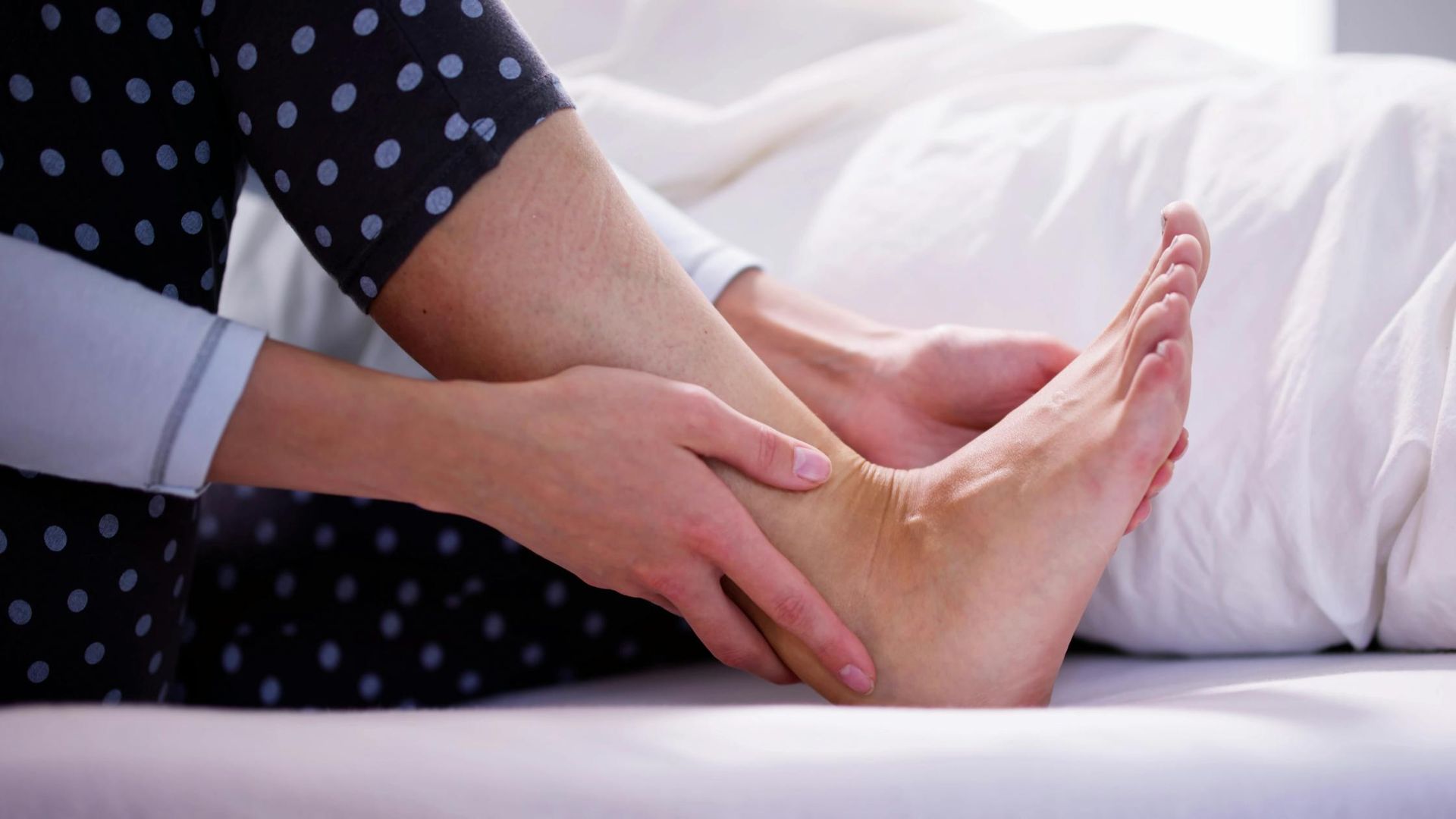
A New Year Shouldn’t Start With Pain The beginning of a new year often comes with fresh goals—being more active, feeling healthier, and getting back to routines you enjoy. But heel pain can quickly get in the way. When every step hurts, even small tasks can feel frustrating. Heel pain is one of the most common foot issues treated by podiatrists. Many people try to ignore it or hope it will go away on its own, but without proper care, heel pain often lingers or gets worse over time. Why Heel Pain Happens Heel pain can develop for several reasons, and it often builds gradually. One of the most common causes is plantar fasciitis, which occurs when the tissue supporting the arch of the foot becomes inflamed. Other causes may include strain on the Achilles tendon, wearing shoes without proper support, or spending long hours on your feet. Pain is often most noticeable in the morning or after long periods of rest. While it may ease as you move around, it tends to return and can worsen without treatment. Common Conditions Linked to Heel Pain While heel pain feels similar for many people, the underlying cause can vary. Some of the most common conditions include: Plantar fasciitis Heel spurs Achilles tendon irritation Overuse or repetitive strain injuries Identifying the exact cause is key to getting the right treatment and long-term relief. Why Early Treatment Matters Ignoring heel pain can lead to changes in the way you walk. Over time, this can place added stress on your ankles, knees, hips, and lower back. What starts as foot pain can turn into discomfort throughout your body. Seeing a podiatrist early can help prevent these issues and reduce recovery time. Most heel pain can be treated without surgery when addressed promptly. How a Podiatrist Can Help A podiatrist specializes in foot and ankle care and can create a treatment plan tailored to your needs. Treatment may include stretching exercises, custom orthotics, footwear guidance, or other therapies designed to reduce pain and inflammation. With the right approach, many patients begin to feel relief and regain mobility. Step Into the New Year With Confidence Heel pain does not have to define your year. With proper care and treatment, you can move more comfortably and get back to doing the things you enjoy. If heel pain is holding you back, schedule a visit with a podiatrist and take the first step toward a healthier, pain-free new year.
December 18, 2025
A new year is the perfect time to focus on your health—starting from the ground up. As we head into 2026, taking care of your feet can help you stay active, comfortable, and ready for everything the year brings.  Why Foot Health Matters in the New Year Healthy feet support your overall mobility and daily comfort. Common foot problems can make walking, standing, and even simple activities difficult. Early care can prevent small issues from becoming bigger ones. You may benefit from a podiatry visit if you have: Heel or arch pain Flat feet or high arches Foot or ankle injuries Toenail problems Corns, calluses, or skin issues Pain that keeps coming back How We Help You Start the Year Strong Our podiatry team provides: Comprehensive Foot Exams to identify pain or concerns Treatment Plans for chronic or sudden foot issues Custom Orthotics for support and alignment Footwear Guidance to reduce discomfort and improve stability Preventive Care to keep your feet healthy long-term Start 2026 With Healthy, Pain-Free Feet Make this the year you put your foot health first. Schedule an appointment today to address any concerns and step into 2026 with confidence, comfort, and support.

Show More